
Introduction
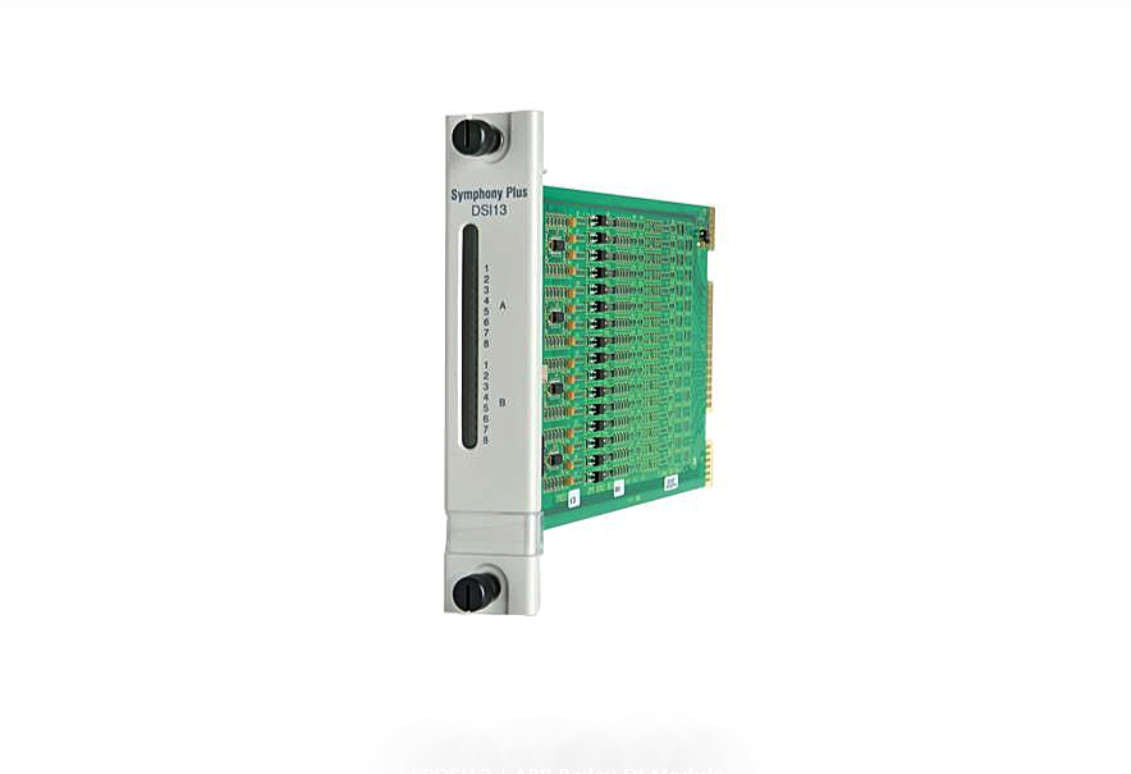
The ABB SPDSI13 module is a crucial component in industrial automation systems. It provides precise signal acquisition, high-speed logic processing, and seamless communication with PLC and DCS systems. Understanding the working principle of SPDSI13 is essential for optimizing its performance, ensuring accurate control, and maintaining system reliability in various industrial environments.
Wuhan Yuli Automation Technology Co., Ltd. (website: www.wuhanyuli.com) supplies original ABB SPDSI13 modules and provides technical support for installation, operation, and maintenance.
This article provides a detailed explanation of the SPDSI13 working principle, including signal flow, processing logic, communication methods, and real-world industrial applications.
Signal Acquisition
SPDSI13 modules support both digital and analog input channels. Each input channel detects real-time signals from sensors, actuators, and other field devices.
-
Digital Inputs: Detect on/off states or discrete signals, such as switch positions or emergency stop signals.
-
Analog Inputs: Monitor continuous variables like temperature, pressure, and flow rates, converting them into readable signals for the control system.
The module continuously scans each input channel, filters noise, and converts raw signals into precise values for processing.
Logic Processing
Once signals are acquired, the SPDSI13 module performs high-speed logic processing.
-
Real-Time Computation: Processes multiple signals simultaneously to make instant control decisions.
-
Conditional Logic Execution: Uses pre-programmed algorithms to trigger actions based on sensor readings, such as activating a valve or adjusting motor speed.
-
Error Detection: Continuously compares input signals with expected ranges to detect anomalies and prevent system failures.
This logic processing enables rapid response in critical industrial processes, ensuring both safety and operational efficiency.
Communication with PLC and DCS
SPDSI13 modules communicate with supervisory control systems through industrial protocols, including Profibus, Modbus, and ABB-specific fieldbus networks.
-
Data Transmission: Sends processed signals to the PLC/DCS for centralized monitoring.
-
Feedback Loop: Receives commands from PLC/DCS to control outputs in real time.
-
Synchronization: Maintains timing accuracy to ensure coordinated operation across multiple modules and production lines.
Efficient communication allows the module to act as a reliable interface between field devices and control systems.
Output Control
SPDSI13 modules manage both digital and analog outputs to control actuators and equipment.
-
Digital Outputs: Trigger relays, alarms, or on/off devices based on processed logic.
-
Analog Outputs: Provide variable signals to control devices like motor drives, proportional valves, or heaters.
The module ensures outputs respond promptly to input conditions, maintaining stability and precision in industrial operations.
Diagnostics and Monitoring
SPDSI13 includes integrated diagnostics for fault detection and preventive maintenance.
-
Monitors channel integrity and communication quality
-
Detects abnormal signals or system failures
-
Provides real-time alerts to operators or the PLC/DCS system
These diagnostic features enhance reliability and reduce downtime in automated production lines.
Industrial Applications
Chemical Automation
SPDSI13 modules monitor reactor temperatures, pressures, and flow rates, ensuring safe and efficient chemical reactions.
Power Systems
Modules interface with generators, transformers, and protective relays, enabling real-time monitoring and automated fault responses.
Manufacturing Lines
They control conveyor systems, robotic arms, and actuators, ensuring high-speed and precise operation in production lines.
Water Treatment
SPDSI13 modules automate pump control, valve operation, and sensor data acquisition, improving water quality management.
Optimization and Maintenance
To maximize performance, consider the following practices:
-
Ensure proper environmental conditions (temperature, humidity, vibration)
-
Maintain stable power supply with surge protection
-
Regularly inspect connectors and wiring
-
Update firmware to the latest ABB-approved version
-
Collaborate with trusted suppliers like Wuhan Yuli Automation Technology Co., Ltd. for support
Optimized operation extends module lifespan and maintains reliable industrial automation.
Conclusion
The ABB SPDSI13 module is a versatile, high-performance component in industrial automation systems. Understanding its working principle—from signal acquisition to logic processing, communication, output control, and diagnostics—enables operators to maximize system reliability, precision, and efficiency. Working with professional suppliers like Wuhan Yuli Automation Technology Co., Ltd. ensures access to genuine modules, technical support, and maintenance guidance.