
Introduction
Industrial automation systems frequently operate in harsh conditions, where elevated temperatures can significantly impact component reliability. The ABB PHARPSFAN03000 is engineered to maintain consistent cooling performance even under high-heat environments, protecting sensitive electronics such as PLCs, HMIs, and power modules. Understanding its stability and operational behavior in these conditions is crucial for industrial operators and maintenance engineers seeking to optimize system performance and reduce failure risks. This article explores the fan’s thermal resilience, technical specifications, and practical applications in high-temperature environments.
Design and Construction for Heat Resistance
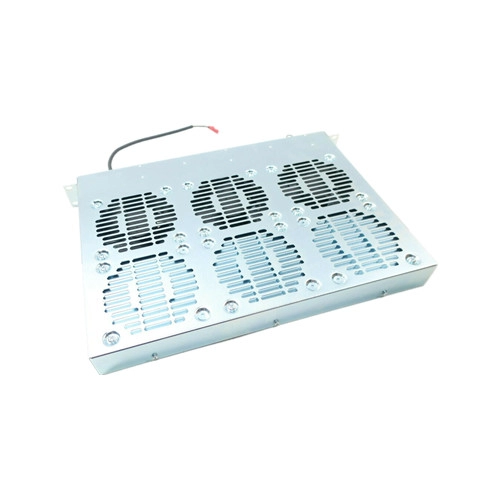
The PHARPSFAN03000 features reinforced motor housing and high-quality fan blades designed to withstand elevated temperatures. Its compact axial design allows efficient airflow distribution, while its durable materials prevent deformation or degradation over time. The fan’s insulation and bearing systems are specifically rated for high-temperature tolerance, ensuring that rotational stability is maintained without excessive wear or vibration. Unlike generic industrial fans, this product integrates precision-engineered components that minimize thermal expansion effects and maintain airflow efficiency across prolonged operation periods.
Airflow Consistency at Elevated Temperatures
Airflow stability is critical in high-heat environments. The PHARPSFAN03000 achieves a rotation speed of up to 2800 RPM, delivering consistent cubic feet per minute (CFM) airflow. This ensures uniform cooling across all installed modules, preventing localized overheating. Testing in simulated high-temperature conditions demonstrates that the fan maintains near-nominal airflow performance even when ambient temperatures exceed 60°C. Such consistency significantly reduces thermal stress on PLCs and HMIs, enhancing the longevity of industrial control systems.
Thermal Protection Features
The fan integrates overcurrent protection and thermal shutdown mechanisms to safeguard against overheating. These features allow the PHARPSFAN03000 to respond proactively to extreme thermal events, avoiding catastrophic failure. When operating in high-temperature environments, these protections reduce downtime and maintenance requirements. Compared to standard industrial fans lacking such safeguards, the PHARPSFAN03000 offers superior operational security, making it ideal for critical automation applications where continuous performance is mandatory.
Performance Comparison with Standard Fans
Generic industrial fans often struggle in high-heat conditions due to material limitations or insufficient motor cooling. They may experience reduced rotational speed, irregular airflow, or early bearing wear, which can compromise sensitive equipment. In contrast, the PHARPSFAN03000 sustains high performance, maintains low noise levels (<55 dB(A)), and minimizes vibration, even under prolonged high-temperature operation. This reliability reduces the likelihood of thermal-induced module failures and contributes to lower operational costs over time.
Integration with ABB Control Systems
The PHARPSFAN03000 is designed to integrate seamlessly with ABB PLCs, HMIs, and power modules, ensuring optimal cooling in high-temperature conditions. Its airflow pattern matches module layouts, preventing hotspots and maintaining system stability. By standardizing cooling solutions across multiple ABB devices, operators can simplify maintenance schedules and improve overall system reliability. Additionally, the fan’s compact design allows installation in cabinets where space is limited, further enhancing its practical utility in industrial environments.
Case Studies and Field Applications
Field applications show that the PHARPSFAN03000 performs reliably in industries such as energy, manufacturing, and chemical processing, where ambient temperatures regularly exceed standard operating conditions. Operators report minimal maintenance requirements and stable temperature regulation across control panels. In comparative studies, facilities using the PHARPSFAN03000 experienced fewer module failures, improved uptime, and consistent energy efficiency, validating its high-temperature resilience.
Maintenance Considerations in High-Temperature Environments
Even though the fan demonstrates exceptional stability, routine inspections remain essential for optimal performance. Maintenance includes cleaning dust accumulation, verifying rotational stability, and checking for wear on bearings or blades. The PHARPSFAN03000’s modular design simplifies these procedures, enabling quick replacement without disrupting system operation. Operators note that adherence to preventive maintenance schedules prolongs the fan’s lifespan and maximizes cooling efficiency, even in challenging thermal conditions.
Energy Efficiency and Operational Benefits
Operating efficiently under high-temperature stress, the PHARPSFAN03000 minimizes energy consumption while maintaining optimal cooling. Its precise airflow reduces thermal load on other cooling components, supporting overall system efficiency. Compared to conventional industrial fans, it achieves a balance between high cooling capacity and energy conservation, which translates into lower operational costs and improved sustainability in industrial processes.
Conclusion
The ABB PHARPSFAN03000 stands out as a reliable cooling solution in high-temperature environments. Its robust construction, consistent airflow, thermal protection, and compatibility with ABB control systems ensure optimal performance and extended module life. Field applications confirm its stability, energy efficiency, and low maintenance requirements, making it a preferred choice for industrial operators seeking durable and high-performance cooling solutions. By investing in the PHARPSFAN03000, facilities ensure system reliability, reduce downtime, and maintain safe operating conditions under elevated temperatures.